Co-founders Amrit Tietz and Lauren Levinger built an archive that bridges the past and future of what motherhood means to them.
By Ali Royals
Published
There are certain laws that govern our universe. For example: an object in motion will stay in motion. Or: for every action, there is an equal, opposite reaction. Or, most notably: because I’m your mother and I said so.
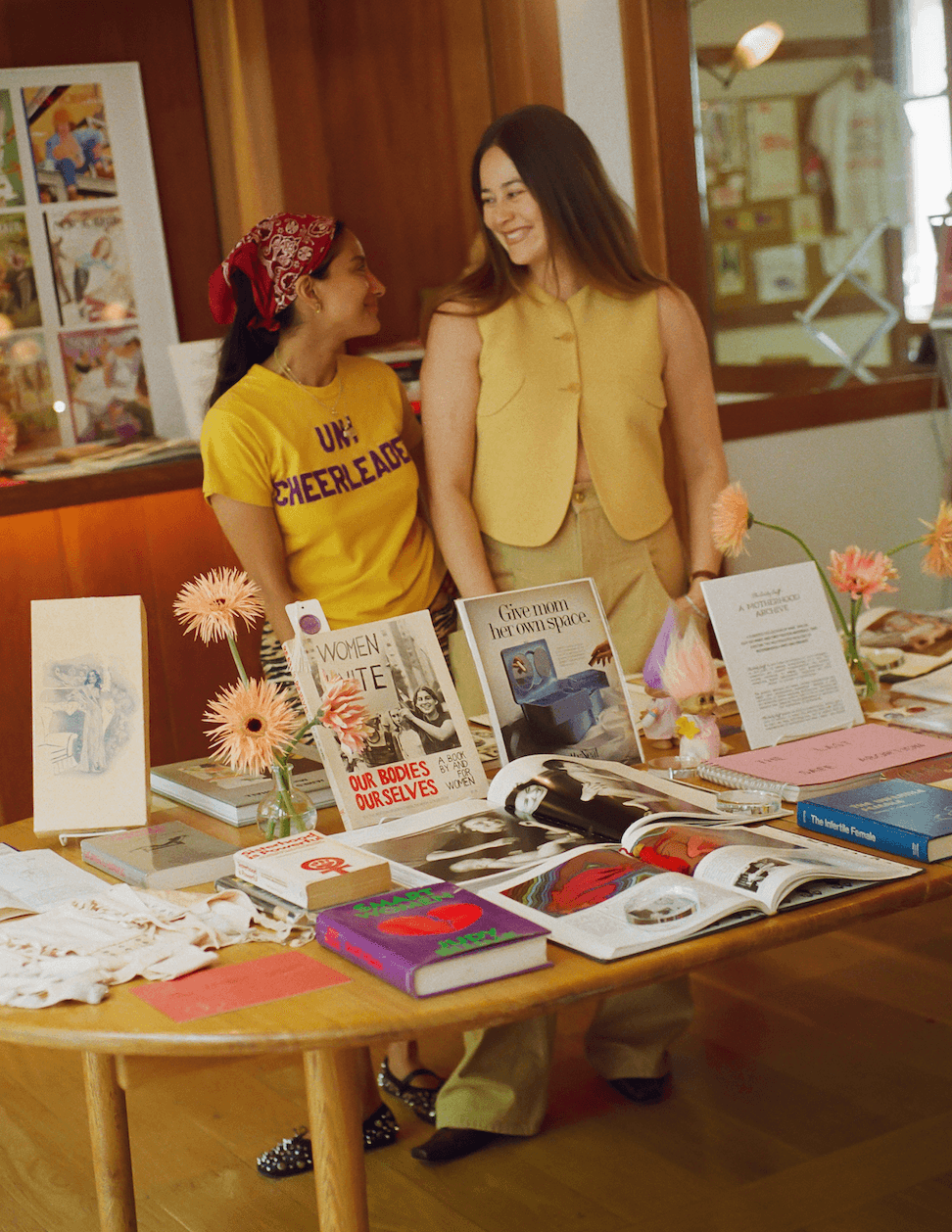
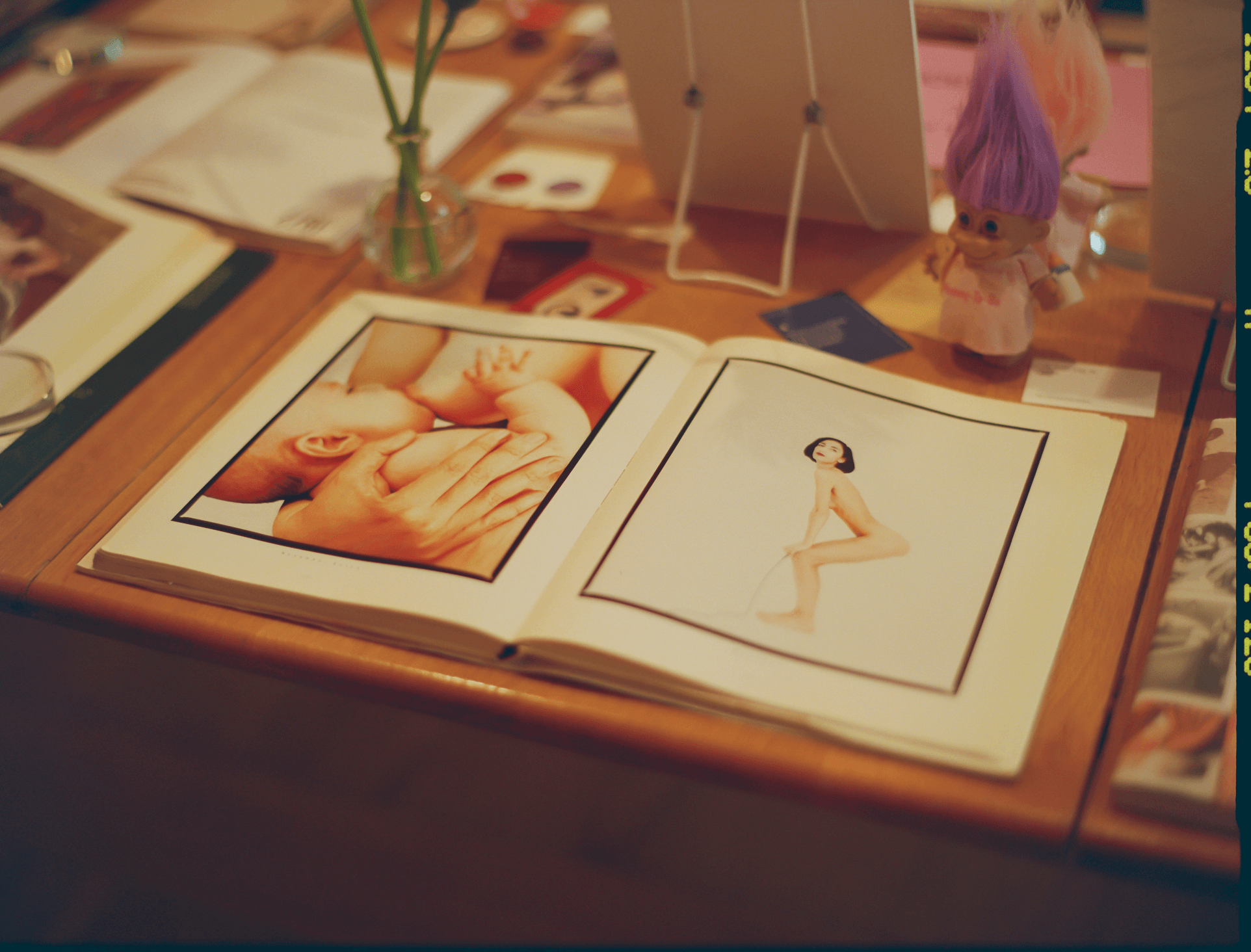
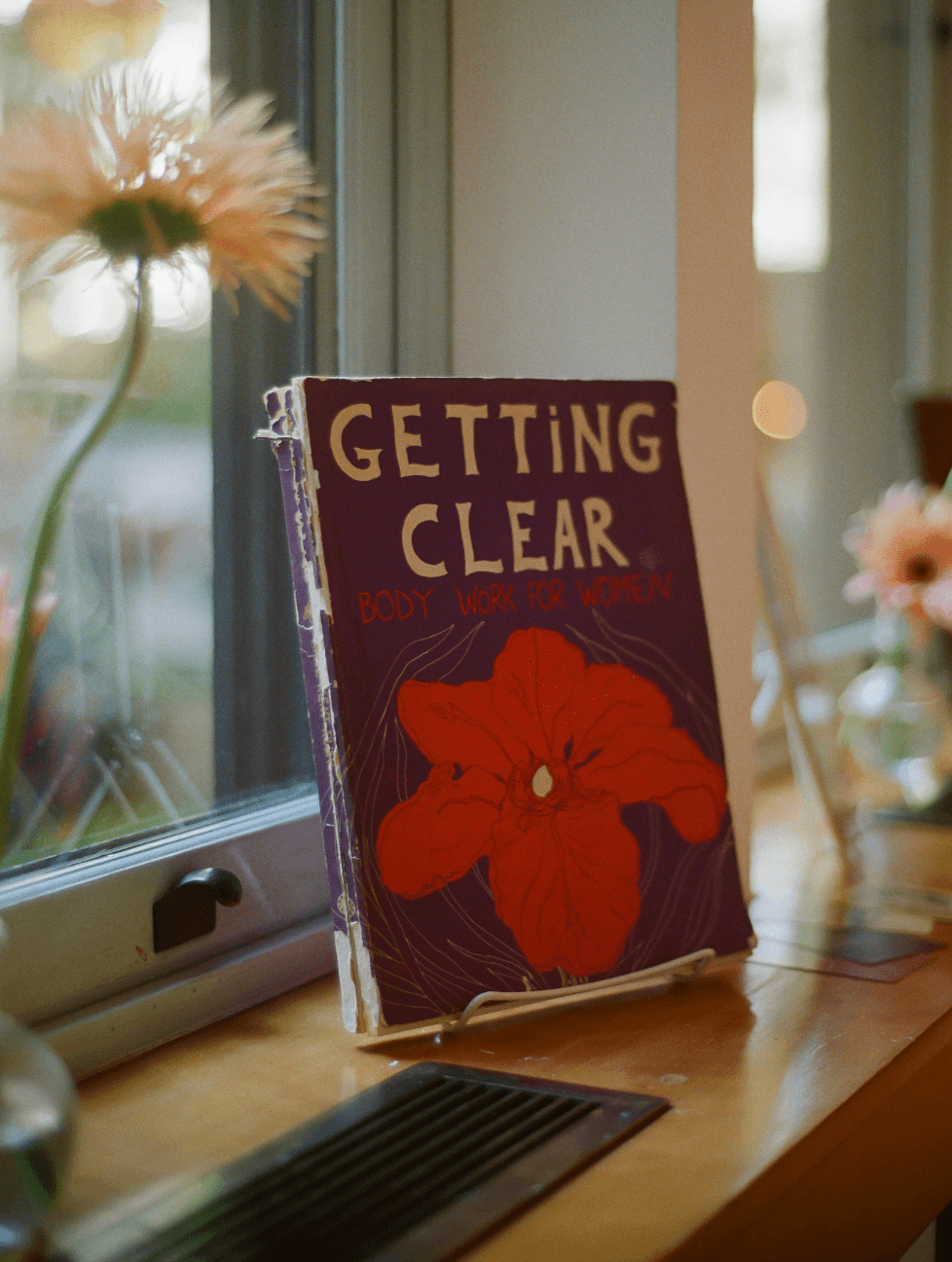
That final binding rule is currently inscribed on a button on a table at The Standard East Village, part of a collection of ephemera, photography, and writing that make up Spread The Jelly’s Motherhood Archive. Curated by STJ founders, Amrit Tietz & Lauren Levinger, The Motherhood Archive is a collection of over 100 rare items rooted in the concept of what it means to be a mother. I’m partial to the archive’s pregnant Trolls Dolls, their pyramids of pink and purple hair extending as far upward as their bellies push outward.
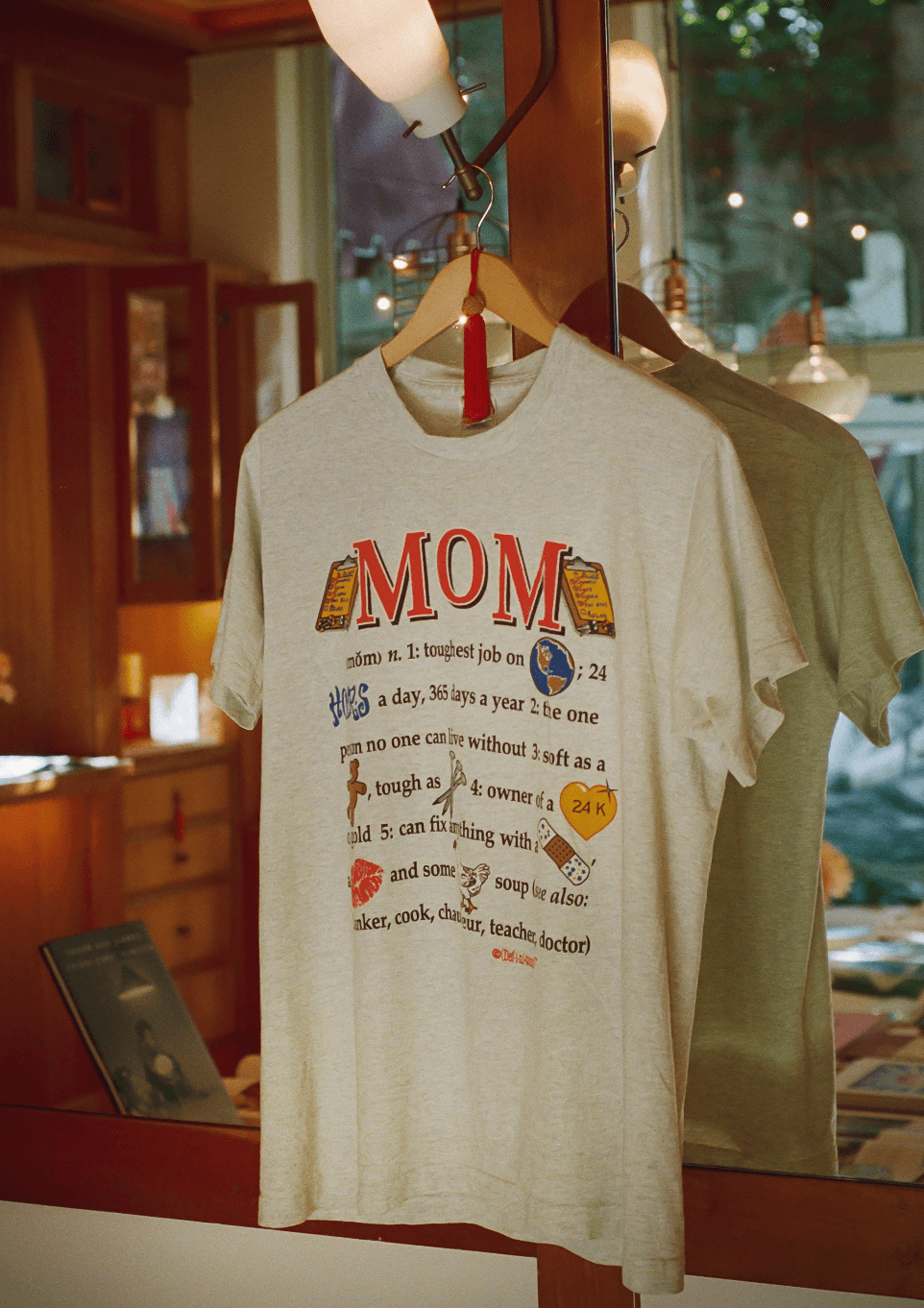
Women float around the sunny room in pale shades of yellow, crisp linens, vintage T-shirts given fresh lives from Brimfield Fair. I snap a pic of a graphic tee and send it to my own mother: Having a bad day? Call 1-800-grandma! She responds: So true! Someday you’ll be wearing that shirt…
While I’m nowhere near ready to be wearing that shirt personally, I know two women who are: Spread the Jelly’s founders, Amrit & Lauren. From archival maternity corsets to vasectomy bumper stickers, vintage copies of Ms. I’m even thinking it’s a Malcom + Bea lookbook? Would be great to get as many social-first stills as possible of hero talent. Basically, video just is not landing as hard engagement-wise as carousels. Magazine to Planned Parenthood posters, Amrit and Lauren sat down with me to talk about how they built The Motherhood Archive, all while being full time mothers themselves.
AR: What was your biggest I just struck gold find for the archive?
Lauren: Honestly, everything has felt like a struck gold moment. But when I found the corset, I was like, this is incredible. We hadn't collected many objects at that point, so it opened up this other like category, which felt really fun.
Amrit: The Louise Bourgeois poster and the Planned Parenthood Mr. Mom ad. I love the 80’s and 90’s vibe shift from super traditional mommy baby, how do I keep this kid alive? to something more tongue in cheek and playful.
AR: Talk to me about the personal references you used to kickstart the archive? What specific pieces did you already own? How did they come into your life?
Amrit: I'm a hoarder. I bought a lot of the mom T-shirts—I think that type of ephemera is really cute. And a lot of the nonfiction books are from my personal collection. It's nice to be able to bring in and collaborate with contemporary artists and mothers we admire, like Kate Parfet, Sarah Hoover, Céline Semaan.
Lauren: Truly. The archive feels like this living resource bridging past and future.
AR: What digital pieces of motherhood do you wish you could’ve included in the archive?
Lauren: We screened a film in L.A.! C’mon, C’mon with Joaquin Phoenix.
Amrit: There’s a book in the movie called Mothers: An Essay on Love and Cruelty by Jacqueline Rose, and there's an essay in there that Joaquin’s character reads over this black and white montage. It's really beautiful, and it's how I found her work. She’s influenced a lot of other artists we have featured in the archive. When we interviewed Lucy Jones, the essay collection was on her reading list. It’s nice to pull in recommendations from women we’ve featured and build our library out that way too.
AR: How do you, like, find the time, build a routine to be a mom and source this archive? Like when do you sleep?
Lauren: I feel like we're not sleeping too much. Amrit and I are like texting each other links on Etsy and eBay at like all hours. Also, we include our kids in a lot of it. They come with us to like all of these vintage stores and flea markets.
Amrit: It’s so cool to expose them to this world. My daughter's like, get me out of the car and into that estate sale. They're very much a part of it.
Amrit: Miss Magazine has always been a huge reference point for us. We’re building on conversations we’ve always wanted to have—working with Gloria Steinem’s team, working with Planned Parenthood. We’ve always admired the work they’ve done.
AR: What is the most surprising thing you’ve learned about motherhood that you wish more of the world understood?
Amrit: There is no blueprint. That’s honestly the genesis of our work.
Lauren: We want to represent motherhood the way we want to do it. It's important to see how it's been represented culturally over time so that we can also see how we want to present it moving forward and in the future.
AR: Obviously, motherhood can be very unconventional. There are single fathers that have to be both father and mother. Are there any pieces from the archive you would recommend for a Mr. Mom?
Amrit: I’d recommend the Sticky Stuff Card Deck. It’s obviously not limited to any sort of gender. It really breaks the monotony and autopilot you can fall into with parenting—how was school? Good. Did you eat? Yes. You can get stuck in these very surface level, functional questions, and what I've found the most rewarding with the deck is to play a watered down version with my three year old daughter. But even with my partner, loved ones, family friends, girlfriends, the cards allow you to really get deeper and have more intimate real conversations.
Lauren: Wow. I feel like it all applies, right? Maternal instinct can apply to fatherhood as well. And I think any sort of care is reflected in all of these pieces.
AR: What mother figures in your life could you not have done this without?
Lauren: Literally…
Amrit: …each other.
Amrit: And the women we feature on Spread the Jelly. It’s a never-ending list.
Lauren: We're so proud of each other. Yeah, like we push each other and it's all worth it in the end because we're building this thing together.
AR: What’s next for the archive?
Amrit: We're touring it around the country, then internationally.. And then digitizing it eventually so it becomes accessible to everybody!