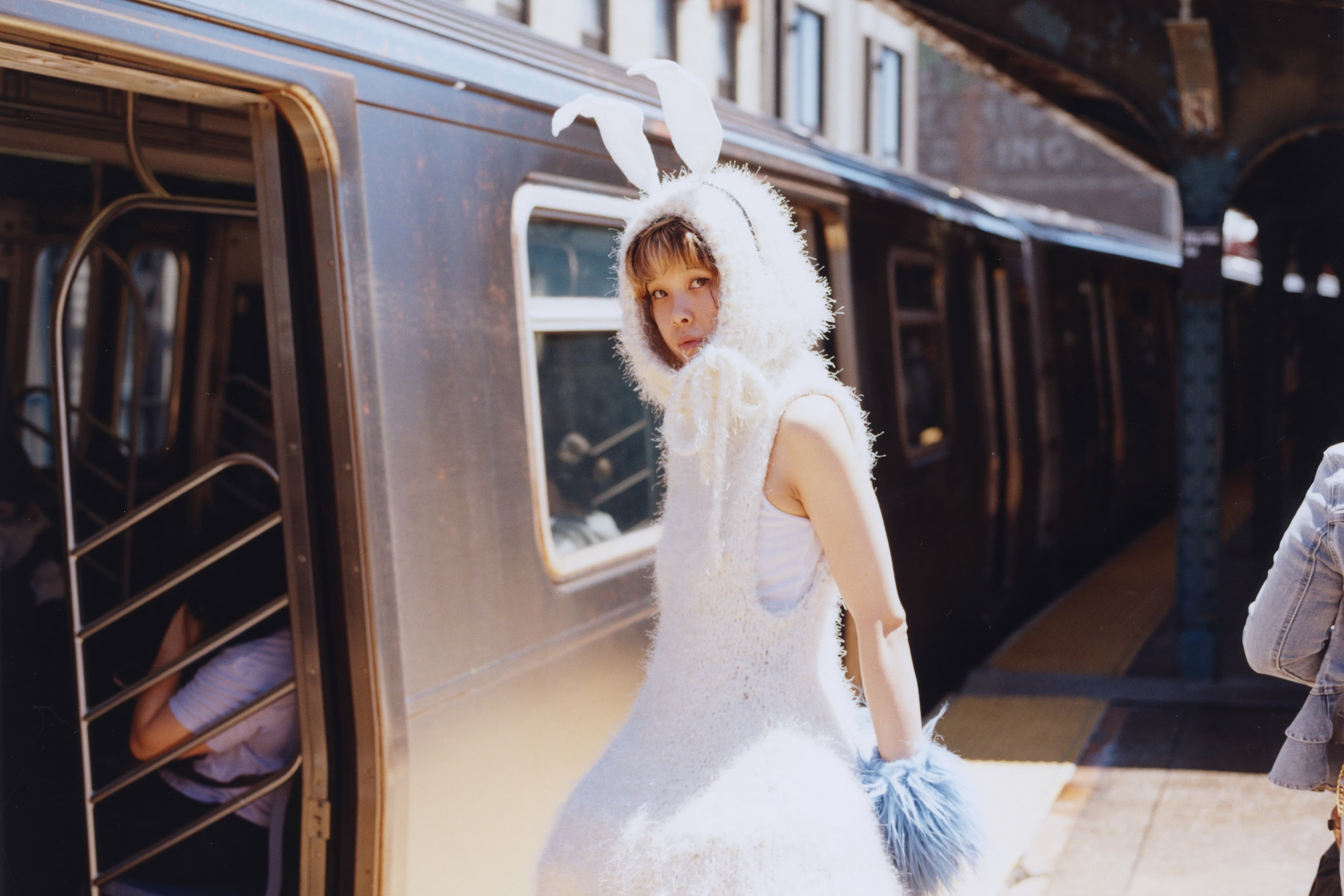
Mei Semones
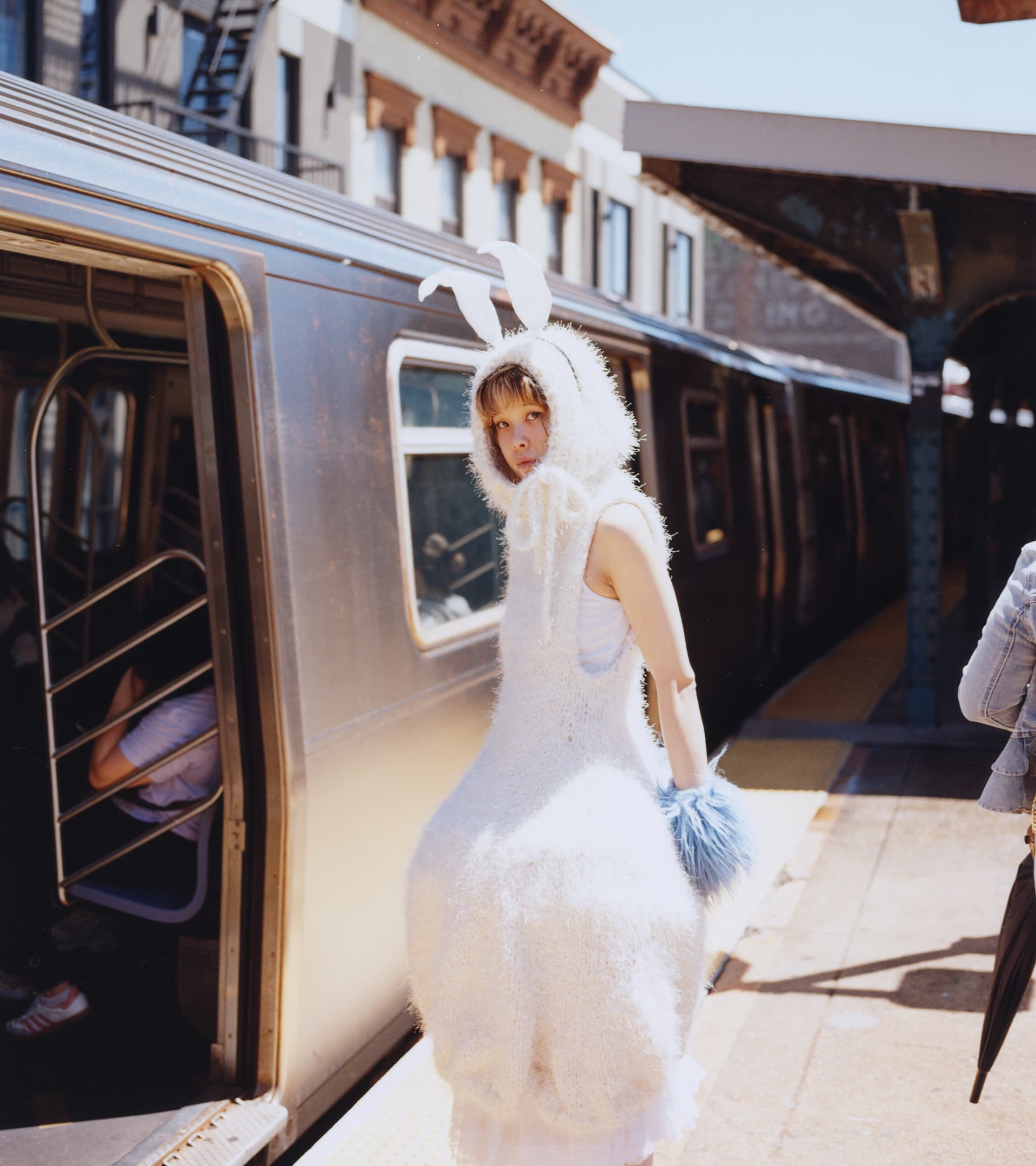
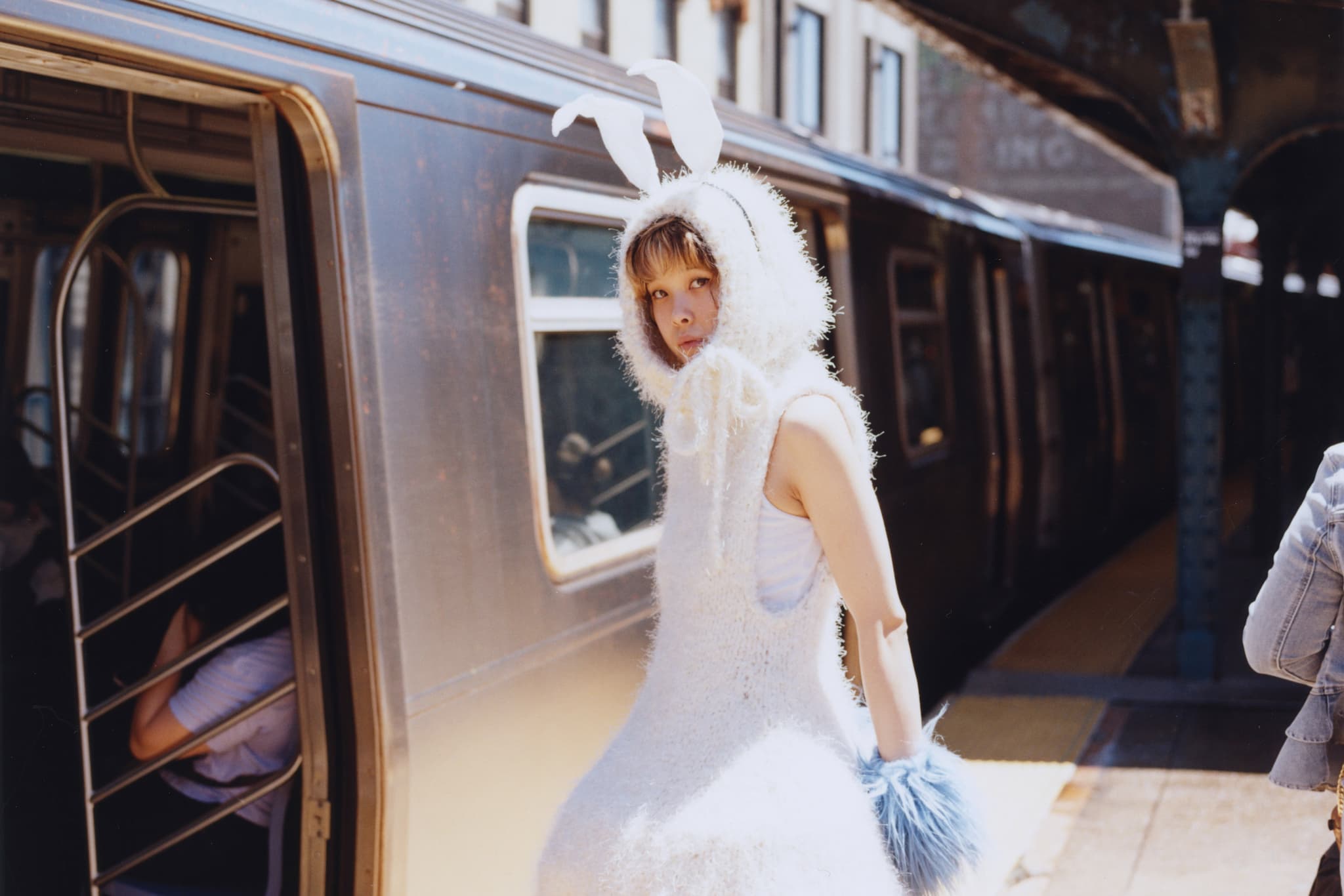
On composure, control, and the pleasure of listening closely.
Some music meets you where you are.
A song comes on and I stay with it. The guitar leans sideways, skirting the melody rather than following it directly. A voice moves through the arrangement with easy assurance. Nothing is overstated. The pleasure comes from how the parts relate to one another. There is a sense that every sound has been placed with care. Feeling accumulates gradually, shaped by balance and restraint.
Some music meets you where you feel.
Mei Semones is a Brooklyn-based guitarist and songwriter, raised in Michigan and trained in jazz at Berklee, though none of that feels like the point when you’re listening. What comes through first is composure. The music is intricate without being showy, precise without feeling rigid. Instruments circle one another rather than compete. Nothing strains for the foreground.
In a cultural moment defined by velocity, where artists are often expected to produce constantly, move quickly between trends, and dance between social media platforms (pun only slightly intended), Mei’s work insists on patience. These songs aren’t built to announce themselves all at once. They unfold, trusting the listener to stay. Feeling is the ground everything rests on.
Her debut album Animaru clarified that sensibility for me. The record sways between genres and languages with ease, without signaling its shifts or asking for permission. The virtuosity is present, but worn lightly. What lingers instead is devotion: to family, to collaborators, to the discipline of practice. To the guitar as something you return to daily, not to master, but to live with.
“Dumb Stupid,” now her most-streamed song, captures that logic perfectly. Depending on where you enter, it feels like it’s rearranging itself. It resists classification without feeling evasive. Calling it jazz or indie misses the pleasure of letting it exist on its own terms.
Songs like “Kurayami” and “Get Used To It” deepen that interior world. “Kurayami” looks back toward adolescence, toward the moment when awareness complicates innocence. Listening to it, I feel a strange nostalgia, untethered from memory and closer to recognition. “Get Used To It” turns inward, steady and focused, finding meaning in repetition and faith in sound itself. One traces what slips away; the other stays with what remains.
What Mei Semones offers is emotional clarity. The feeling is present, fully inhabited, and allowed to unfold at its own pace. And that, for me, is reason enough to keep listening.
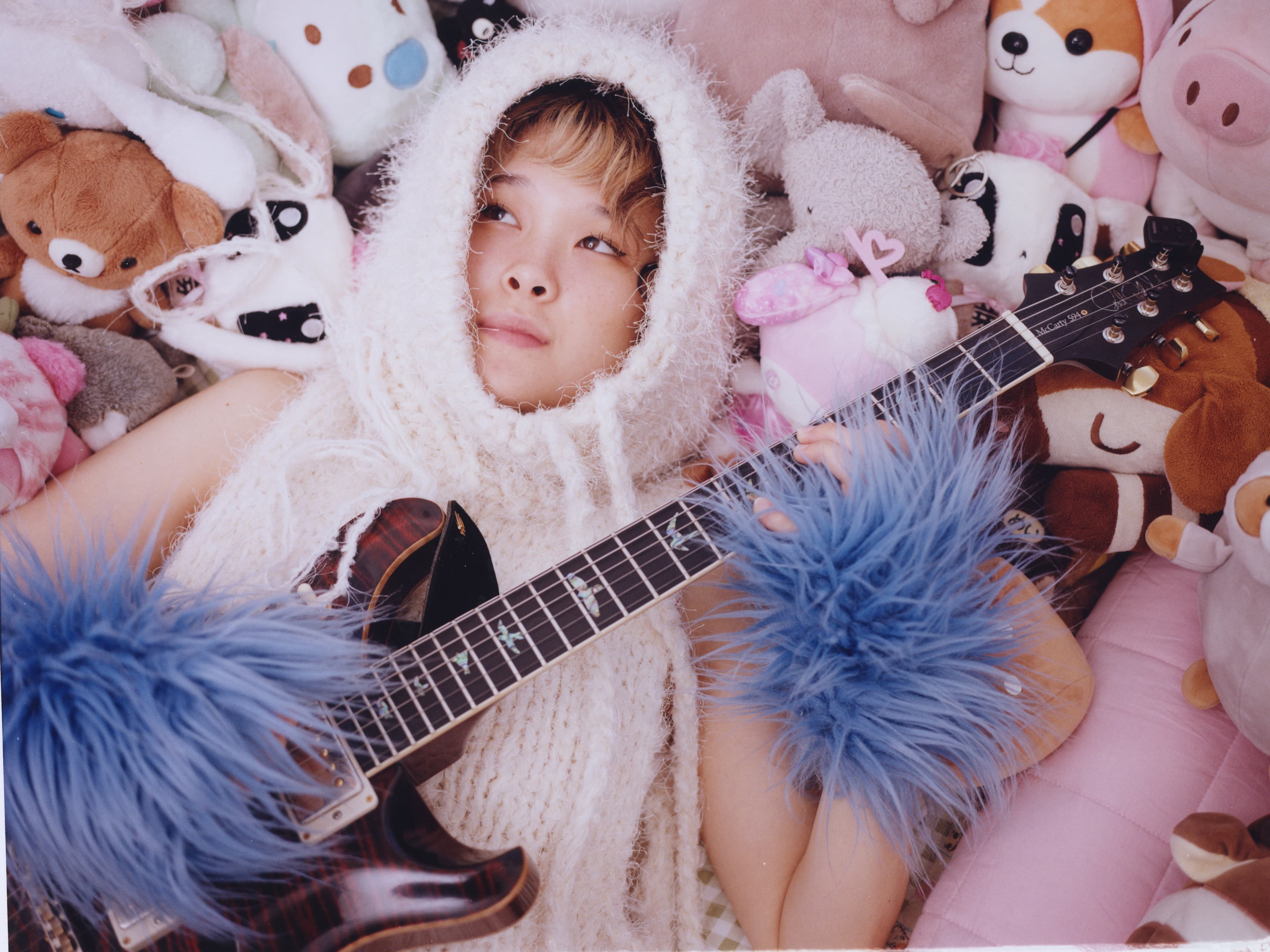
Gutes Guterman: Kudayami translates to “darkness.” What drew you to that idea?
Mei Semones: For me, "Kudayami" is a song about growing up. When I was writing it, I was thinking about being a teenager, hanging out with my friends, having fun, but also moments that were really sad or kind of messed up. I could feel all of us losing our innocence as we got older and things started happening. That’s the “darkness” part of it. It’s not necessarily a sad song; I still have really good memories from that time, but it’s about that bittersweet process of realizing things aren’t as simple as they used to be.
GG: That’s such a tender way to frame it. Is there anything you’d say to your teenage self now?
MS: I’d tell myself to practice more instead of messing around all the time. I wish I’d had the foresight to realize how much it would matter later. But honestly, I’m glad I went through that phase when I was younger, because by the time I got to college, I was already past it and much more grounded.
GG: The balance of nostalgia and awareness in that song is so real. How does the second single fit alongside it? Do they speak to each other, or do they live in different worlds?
MS: I’d say they’re pretty unrelated thematically. Musically, they’re in close keys, maybe even the same key, so one flows right into the other, which I did on purpose. But in terms of meaning, “Get Used To It" is about finding happiness and strength in being alone. It’s about realizing I don’t need much as long as I have music. That’s something I write about a lot, my love for music and guitar. It’s that feeling of, “As long as I have this one thing, I’ll be okay.”
GG: Do you think of yourself as good at being alone?
MS: I think so. I can go days without seeing anyone, and then I’ll hit a point where I’m like, “Okay, I need to go outside.” But I don’t feel the constant need to be around people. If anything, it’s the opposite. If I hang out with people for too long, I start feeling like I need to play guitar or have quiet time again.
GG: Same. I need a balance, equal parts social time and alone time.
MS: Exactly. And being a musician can make that tricky. On tour, you’re constantly around people, so it’s important to figure out how to make space for yourself.
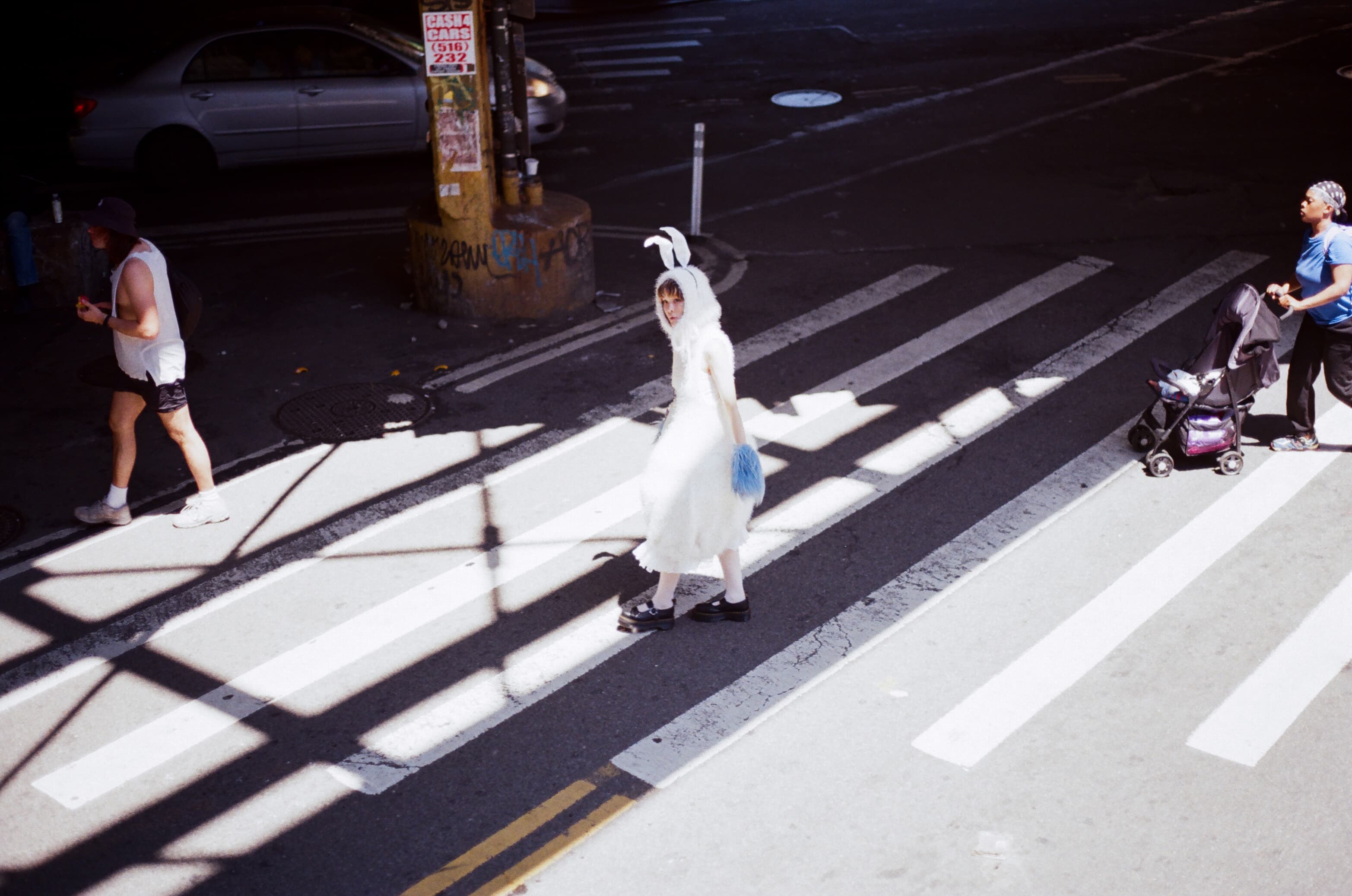
GG: Do you have any pre-show rituals or things you do to get into the right headspace?
MS: I don’t really have rituals yet, though I probably should. It depends on the day. Sometimes I’m working right up until the moment we play, answering emails or posting online. The better version of me takes a walk outside the venue or hangs with the band before we go on. I can get a little tunnel-visioned, so I try to remind myself to slow down before the show.
GG: How does being on stage compare to writing?
MS: When I’m writing, I’m in my head, thinking about structure, how the chords and melodies work, how to make it interesting for me and for a listener. It’s very analytical. But when I’m performing, I try to reconnect with the feeling behind the song. Ideally, I’ve practiced it enough that I’m not worried about execution; it’s just about expressing it honestly in the moment.
GG: You’ve described Animaru as being about trusting yourself and not overthinking. What does that look like for you day to day?
MS: I don’t know if I have a clear formula, but I think it comes from music. Doing this full-time, having it be what I do every day, gave me a lot of confidence. It’s about trusting yourself enough to do what you love, because that’s what makes you happy. I think when people lead with love, even in small ways, the world becomes a better place.
GG: I completely agree.
MS: And it doesn’t have to be big. It’s not just about chasing passion; it can be as simple as loving your dog and working hard so you can care for them. It’s small things like that.
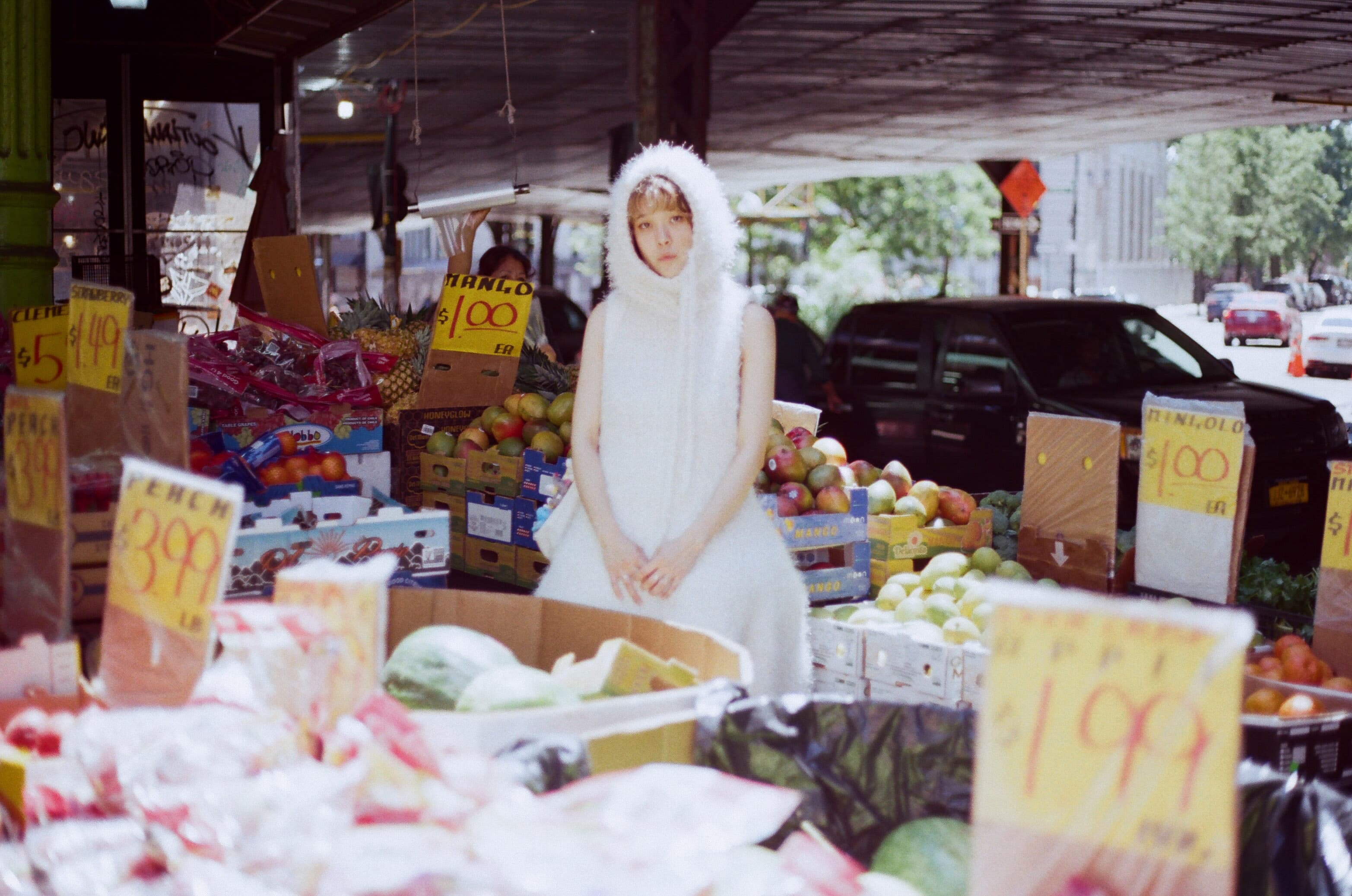
GG: If you weren’t a musician, what do you think you’d be doing?
MS: Honestly, nothing. There’s nothing else that interests me.
GG: That just proves you’re doing the right thing.
MS: [laughs] Or that I have no other skills.
GG: You’ve toured the world this year and you’re heading back out soon. What was it like playing your first headline tour?
MS: It was great. I think it made me want to keep improving the live show. It’s already great, but I want to make it feel more like an experience, work on transitions between songs, maybe include moments that highlight each band member. We’ve got viola, violin, drums, and bass, all amazing musicians, so I’d love to find ways to feature them more.
GG: What’s on your tour rider?
MS: It changes by day. Each band member picks a food item and a drink. I always get kombucha and raspberries or blackberries. The others get things like chicken, jerky, protein bars, coffee, or Red Bull. Everyone’s got their thing.