Published
I still think about a moment from a sailing camp when I was fourteen. During an improv game, one of the older camp counselors asked if I wanted to play a “sexy cleaner”—probably assuming I’d shrink in embarrassment. Instead, I grabbed an imaginary broom and started belting out “I Want To Break Free” while sweeping across the stage. My classmates started cheering and clapping along, and I remember feeling strangely enormous. Not because I enjoyed the attention, but because something in me intervened before my embarrassment had the chance to take over, and the world responded by opening rather than closing.
During my childhood, I spent afternoons in theater classes, where I felt the healthy kind of nervousness that comes before stepping onto a stage. I threw myself into scenes where I was trapped in an imaginary hot-air balloon, waving goodbye to my parents forever. I played a tree on fire. I always hoped I’d be given the singing solo, never particularly concerned with whether I would hit every note perfectly—even though I definitely wasn’t the best singer in the group. Singing just felt joyful to me in the purest sense, a way of expressing emotion before I had fully learned how to explain it.
At that age, expression did not feel like a vulnerable resource that could disappear. I didn’t experience it as something I had to access; it simply existed in me. Even after my mother died unexpectedly when I was fifteen, I still believed my ability to express was limitless. A week after her death, I stood on stage again for a school performance. I remember one of the first thoughts that entered my mind when she died: now she’ll never hear me sing at school again.
People around me gently insisted that no one expected me to perform, but at the time, the idea of withdrawing from it felt almost stranger than doing it. During that performance, I sang with a kind of force that now feels bewildering to me.
Continuing to perform in the immediate aftermath of my mother’s death did not mean that nothing had changed. Some ruptures only become visible retrospectively, after the body has already begun reorganizing itself around them. Within a year, I quietly stopped going to theater classes altogether.
I couldn’t have clearly explained why. I only knew that I started cycling there with a kind of heaviness I had never associated with performance before. If there was a chance I would be asked to step forward and read a tragic Shakespeare monologue, my stomach tightened with dread. The ease I once felt on stage had curdled into something tense and effortful. I no longer experienced performance as release; I wanted it to end as quickly as possible.
I abandoned the identity of “theater kid” surprisingly quickly. Instead, I gravitated toward forms of life that required very little of my body. I studied journalism and slowly retreated further into language, analysis, observation—ways of moving through the world that felt safer than performance ever would again.
I searched for intensity elsewhere: in nights out, my career, in the charged feeling that life was happening somewhere just outside myself. I told myself I didn’t miss singing or acting. I suspect part of me understood that returning to them would force open something I was trying very hard to contain.
My life continued outwardly in fairly ordinary ways, but looking back, I realize how infrequently I felt truly at ease in my own body. Whenever I had to speak publicly, I never experienced it as an exciting challenge. I could lie awake for days beforehand, seized by the fear of being looked at too directly, of making a mistake in full view of other people.
I think play became difficult for me because grief had made vigilance feel necessary; I moved through the world as though catastrophe might always be waiting just beneath the surface. In that state, surrendering to silliness, spontaneity, or temporary loss of control no longer felt natural but dangerous. Play, after all, depends on a kind of bodily trust—the sense that it is safe to become unguarded. It requires a tolerance for unpredictability, and unpredictability was precisely what grief had taught me to fear.
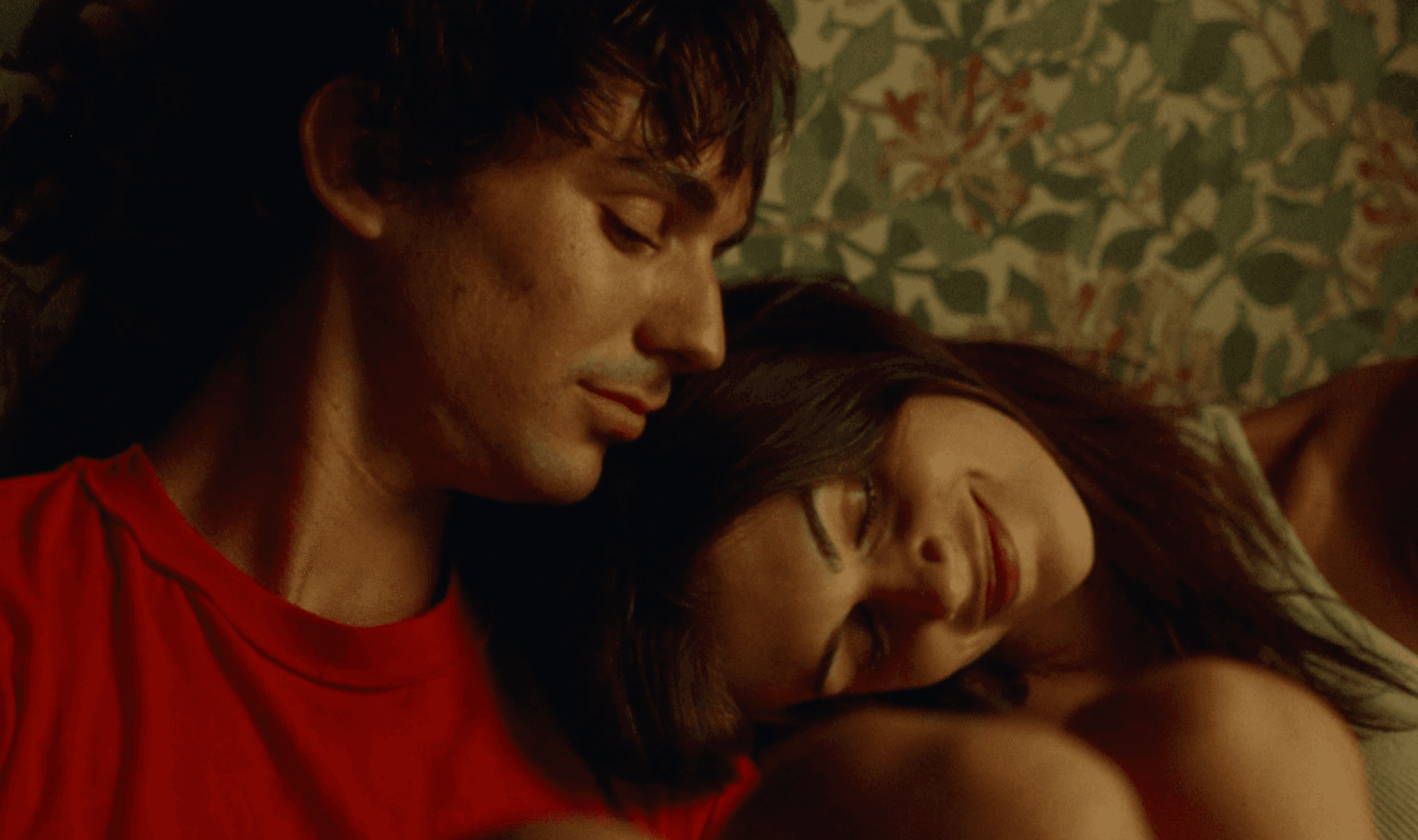
When I met my boyfriend almost five years ago, I couldn’t stop noticing how little effort he seemed to spend managing himself. Within the first few months of our relationship, he would pull strange faces across the dinner table, imitate television characters with complete commitment, or deliberately wear his clothes in absurd ways just to make me laugh. Watching him felt faintly disorienting to me, as though he still had access to a kind of physical freedom I no longer knew how to inhabit myself.
One day, he mentioned that his father always used to tell him, “You should always keep playing.” Over time, he began saying something similar to me whenever I became too tense: “We’re going to loosen you up a little.”
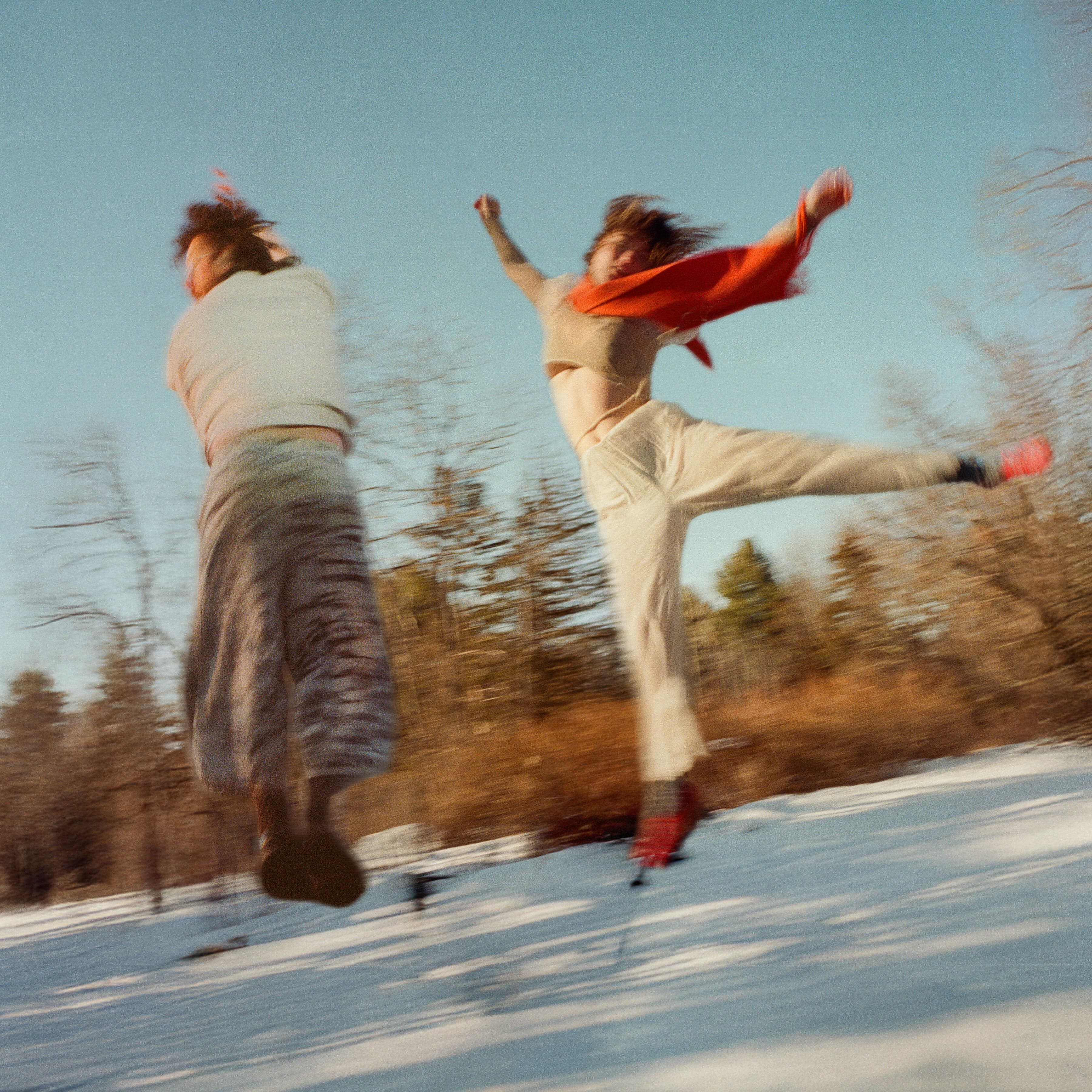
He would suddenly start tickling me while I was cooking, wrestle with me on the couch, or challenge me to list every swear word I knew within a minute. At first, I often felt slightly resistant to this kind of silliness, as though some overly watchful part of me didn’t quite know how to participate anymore. But the longer we were together, the more I began to enjoy how deeply relaxing it felt to be ridiculous in complete safety.
Eventually, I started seeking it out myself. I let him film me doing strange little dances through the apartment, collapsing into laughter halfway through. He started asking me about the songs I used to perform as a teenager, and slowly I began singing them again, sometimes mockingly, sometimes with real feeling.
What surfaced was not simple nostalgia, but a deep bodily recognition—an almost existential sense that I had recovered access to a self I thought grief had permanently taken from me. I started remembering funny auditions, ballet classes, the choir at my secondary school.
At some point, almost sheepishly, I said to my boyfriend: “I think I used to be quite creative.”
He looked at me for a moment and laughed gently. “Of course you were,” he said. “You are a theater kid.”